
What a Long, Strange Trip It’s Been: How Railcar Design Mirrors Industry Evolution
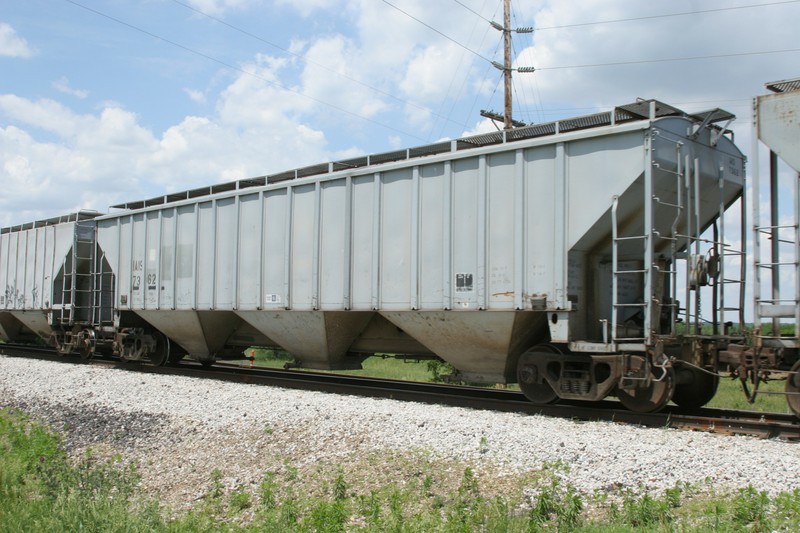
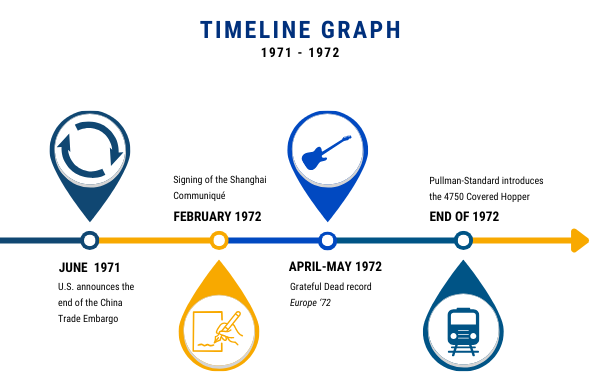
The music of the Grateful Dead captures the feeling of a journey that twists and evolves over time. The railcar industry has followed a similar winding path. In 1972, while the Dead released the iconic Europe ’72, Pullman-Standard introduced another icon: the 4750 cubic-foot covered hopper. This bigger design effectively replaced the 4427 to become the backbone of North American bulk transportation.
The 4750 Covered Hopper–A Game Changer
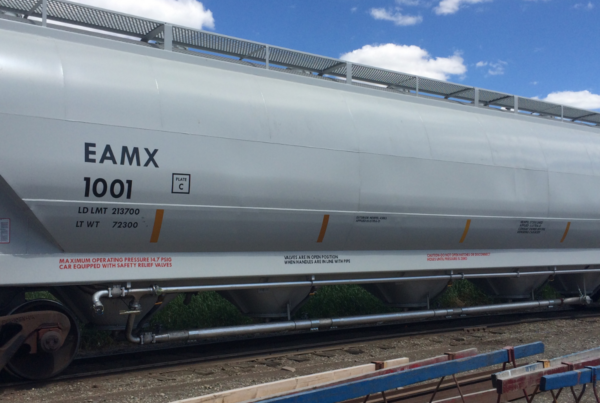
The 4750 covered hopper quickly became the workhorse of the rail industry, hauling everything from grain to industrial minerals. Its design set a new standard, paving the way for specialized railcars that dominate today’s market. Today, railcars are opening new origin and destination pairs (OD) that were once uneconomical due to transportation costs. Commodities like certain corn or soy meals and even various grades of scrap can now move efficiently thanks to modern car designs that maximize cubic capacity and payload.
>See Available Covered Hoppers for Lease
Gondolas–From Mill Gons to Modern Giants
The gondola, a box on wheels with no roof, is another example of design evolution reshaping the industry.
Traditional mill gondolas in the 2,500–2,750 cubic-foot range were ideal for dense commodities weighing 100+ lbs per cubic foot: scrap steel, plate steel, aggregates, and more.
But the market changed. Scrap processors, including those handling non-ferrous material, increasingly needed high cubic capacity gondolas of 4,000 cubic feet or more. For years, railcar owners filled that gap by remarketing older coal gondolas as the coal industry shifted from steel to aluminum bodies in the 1990s. The problem? Coal cars weren’t built with the same structural robustness as mill gons. Eventually, the industry needed a purpose-built solution.
Modern high-capacity gondolas are engineered specifically for today’s scrap and bulk shippers. Their increased volume allows lighter density commodities to ship more efficiently. And because railroads price by the carload rather than by the ton, using the right equipment can dramatically change the economics of an OD pair.
| Comparison | EAMX 4000 | EAMX 2751 |
| Gross Rail Load | 286,000 | 286,000 |
| Light Weight | 71,000 | 61,000 |
| Load Limit | 215,000 | 225,000 |
| Cubic Capacity | 4,000 | 2,751 |
Economics and Capacity
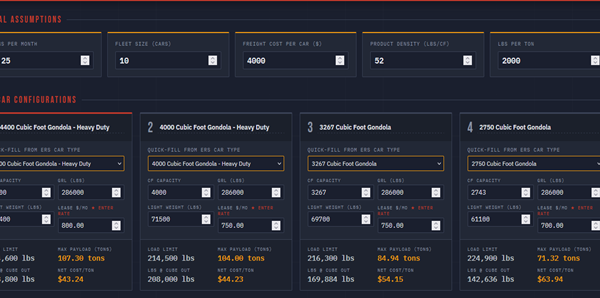
Assuming certain factors, for example, a scrap shipper moving material at ~50 lbs per cubic foot could pay over $1.00 more per ton when using a smaller gondola. Over a typical lease term, that difference can add up to hundreds of thousands of dollars. Larger cars don’t just save money, they can open new OD pairs for certain commodities.
Why It Matters Today
>Explore gondola leasing options