
The Grateful Dead catalogue is extensive in lyrics referencing railroads. However, after writing this article I can’t but help think of one of their songs that has no reference to railroads. If you are familiar with their music, then you will know the song I am referring to by the end.
There are two types of repairs the railroad industry uses when discussing railcar repair: Running and Contract.
Running is used to describe while the cars are in operation while contract is at a fixed shop location. For the purpose of this article we are reviewing running repairs. Running Repairs on railcars are required from time to time to ensure the equipment is safe for travel and to warrant train operations run smoothly. These types of repairs are performed by railroads and guided by rules issued from the Association of American Railroads (AAR).
Repairs of any kind have a direct result on the operating costs of equipment and it’s necessary to understand the drivers of these expenses. Repair expenses are reflected in the costs of operating the equipment whether you own or lease railcars.
Running repairs are performed by each individual railroad or their contracted agent known as a running repair agent. For example, a railroad may deem its cost prohibitive to employ carman to make repairs to cars on their line and instead contract with a third party to provide the personnel and equipment to make repairs to railcars. These contractors are known as “Running Repair Agents”. The agents will bill for the repair work at the prevailing AAR labor and material rates. The car owner will receive these bills monthly along with other railcar repairs from other railroads. The invoices will appear to be from a railroad; however, there are certain attributes that shows the bills were initiated by a running repair agent.
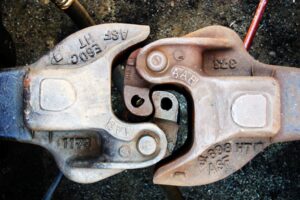
The purpose of running repairs is to keep railcars moving safely and efficiently while they’re in service.
For example, if a car needs a brake shoe replaced or a wheel set swapped while in transit, it’s both safer and more practical to handle that as a running repair rather than remove the car from service for shop work.
That said, not all running repairs are performed as efficiently as they should be. In some cases, contractors operating under AAR guidelines perform more work than necessary, which can add avoidable costs to the system.
In Part Two, we’ll take a closer look at how excessive repairs occur and how car owners and shippers can audit monthly billing to identify when they may be happening.